
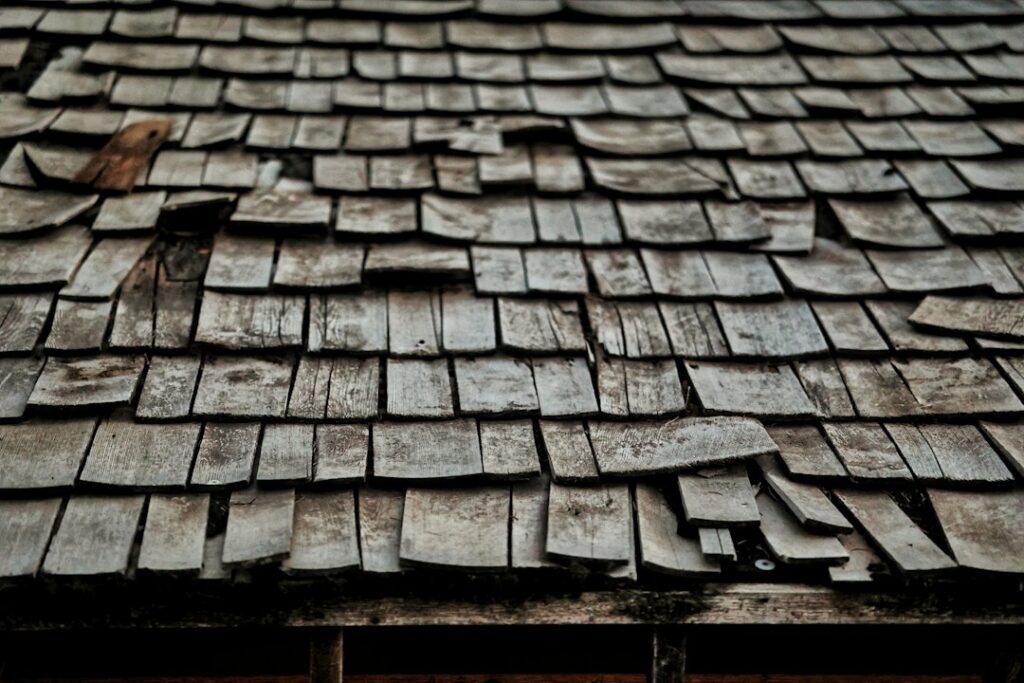
What should you do first after roof damage?
After a roofing emergency, protect people first, limit additional water entry, and document what happened. Do not climb onto the roof or enter areas where ceilings, wiring, or structural materials may be unsafe.
Start with a quick safety check:
- Keep household members away from sagging ceilings, active leaks near lights, and visibly damaged sections.
- Turn off electricity to affected areas only if the electrical panel and surrounding floor are dry and accessible.
- Place buckets or containers under drips, but avoid standing on wet flooring or using ladders near water.
- Move furniture, electronics, and other belongings away from the leak.
- If the ceiling is bulging, do not puncture it. A pocket of water may release suddenly, and the ceiling material could collapse.
In New Hartford, NY, emergency roof problems may follow heavy snow, ice buildup, wind, falling branches, or rapid weather changes. A roof that appears intact from the ground can still have damaged flashing, lifted shingles, blocked drainage, or hidden leaks.
How can you tell whether roof damage is an emergency?
A roof problem generally deserves immediate attention when it creates a safety hazard or allows water to enter the living space. Missing shingles alone may not cause immediate interior damage, but exposed underlayment, open roof sections, or water entering an attic should not be ignored.
Treat these conditions as urgent:
- A large section of shingles or roofing membrane has blown away.
- Water is entering through the ceiling, walls, attic, or upper-floor rooms.
- A tree limb or other object has struck the roof.
- The roof deck is visibly sagging.
- Snow or ice has caused gutters, eaves, or roof edges to pull away.
- A chimney, vent, skylight, or flashing area has been displaced.
- Strong winds have left roofing materials scattered around the property.
- The attic contains wet insulation, standing water, or visible daylight through the roof.
A small stain may represent an older leak, but it can also be the first visible sign of a larger problem. Water may travel along rafters, insulation, or wiring before appearing indoors.
Should you climb onto the roof to inspect it?
In most cases, no. Wet shingles, ice, loose materials, and steep roof surfaces make emergency inspections especially dangerous. Snow and freezing conditions can conceal weak areas or openings that are not visible from the ground.
A safer inspection begins indoors and at ground level. Look for:
- Damp or discolored ceilings and walls
- Dripping around light fixtures or attic penetrations
- Wet insulation or a musty odor in the attic
- Shingles, metal pieces, or flashing in the yard
- Gutter sections that are hanging or separated
- Tree limbs resting on the roof
- Daylight visible through attic roof sheathing
Binoculars can help with a ground-level view. Photographs taken from a safe position may also help document the condition without exposing anyone to unnecessary risk.
What temporary steps can reduce water damage?
Temporary protection should be limited to actions that can be performed safely from the ground or inside the building. A tarp should not be installed by an unprotected homeowner, particularly during wind, rain, snow, or icy conditions.
Inside the home, use containers to catch water and place towels around them to reduce spreading. If water is moving through a ceiling, keep furniture and valuables clear of the area. Do not use household appliances or extension cords in wet locations.
If safe access is available, check whether gutters or downspouts are visibly blocked at ground level. Do not climb onto a roof to clear ice, snow, or debris. Do not remove embedded branches or pull on roofing materials, because doing so may enlarge the opening.
Temporary repairs such as roofing cement, plastic sheeting, or exposed fasteners can sometimes make a later repair more difficult. They may also conceal the source of a leak. Emergency measures should focus on preventing injury and limiting interior damage until the roof can be properly assessed.
How should you document the damage?
Clear documentation can help distinguish storm damage from older wear and can support an insurance claim if coverage applies. Take photographs or video from safe locations before moving damaged materials, unless leaving them in place creates a hazard.
Record:
- The date and approximate time the damage was discovered
- Recent weather conditions, such as wind, heavy snowfall, ice, or falling branches
- The rooms and materials affected by water
- Visible roof, gutter, siding, window, chimney, or tree damage
- Any temporary steps taken to protect the home
- Damaged personal property, including furniture or electronics

Avoid throwing away damaged materials until they have been documented, unless they are contaminated, dangerous, or creating a safety risk. Keep receipts for reasonable emergency supplies and any necessary cleanup.
Insurance policies differ. Some cover sudden storm damage but exclude deterioration, poor maintenance, or certain types of water intrusion. Documentation should describe observable facts rather than guessing at the cause.
What roof problems are common after winter weather?
Cold-season damage often develops gradually. Ice can collect along roof edges and interfere with drainage, while repeated freezing and thawing may open small gaps around flashing, vents, chimneys, and skylights.
Heavy snow can place added weight on the roof structure, especially when an earlier snowfall remains underneath a newer storm. Snow removal from a roof can be hazardous and may damage shingles if performed incorrectly. The roof should not be treated like a driveway or sidewalk.
After winter weather, watch for:
- New ceiling stains
- Drips during thawing temperatures
- Ice buildup along eaves
- Gutter movement or separation
- Cracked flashing
- Shingles with lifted, torn, or missing sections
- Damp attic insulation
- Doors or windows that become difficult to open because of structural movement
A leak that stops when the weather turns cold has not necessarily been resolved. Water may simply be frozen or redirected until the next thaw.
Can emergency roof damage be prevented?
Regular observation and seasonal maintenance reduce the chance that a minor defect becomes a major interior leak. Inspections should be performed from safe locations, especially after strong winds, heavy snow, or falling branches.
Useful preventive habits include:
- Keep gutters and downspouts clear when conditions permit safe ground-level work.
- Look for missing, curled, cracked, or lifted shingles.
- Check attic insulation and ventilation for dampness or condensation.
- Examine flashing around chimneys, vents, skylights, and roof-wall intersections.
- Trim tree limbs that can strike the roof, while leaving hazardous tree work to trained personnel.
- Secure loose outdoor items before major wind events.
- Know where the electrical shutoff and water shutoff are located.
- Keep a basic emergency kit with containers, towels, plastic sheeting for interior protection, a flashlight, and gloves.
Roof maintenance does not prevent every storm-related failure, but it can make damage easier to detect before water reaches ceilings, insulation, and finished rooms.
When is expert assessment necessary?
A qualified roof or building professional is necessary when the roof is unsafe to access, the structure is compromised, water is entering electrical areas, or the source of the leak cannot be identified safely. Emergency conditions may also require help from the electric utility, fire department, tree-removal personnel, or another appropriate public safety resource.
Do not enter a section of the home with a collapsed ceiling, exposed wiring, strong gas-like odors, or major structural movement. Leave the area and use emergency services when there is an immediate threat to life or property.
The priority after roof damage is simple: keep people out of danger, control interior water as safely as possible, preserve useful information about what occurred, and avoid temporary actions that increase the problem. These steps are especially valuable during the snow, ice, wind, and freeze-thaw conditions that can affect homes throughout the community.
