

Why Are Roof Valleys So Vulnerable?
Roof valleys—the areas where two roof slopes meet—are frequent trouble spots for leaks and water damage. Because these channels guide large amounts of rain and snowmelt toward gutters, any weakness in their design or condition can lead to concentrated moisture problems. In New Hartford, NY, the combination of heavy winter snows and frequent freeze-thaw cycles puts extra stress on these valleys, making regular awareness crucial for local homeowners.
What Does a Failing Roof Valley Look Like?
A failing valley doesn’t always announce itself with obvious leaks. Early signs can be subtle, but catching them before water gets inside saves money and headaches later.
Some clear indicators include:
- Discolored shingles or streaks running along the valley
- Lifting, curling, or missing shingles in the valley area
- Visible cracks, splits, or holes in metal valley flashing
- Accumulated debris that stays wet even in dry periods
- Noticeable dents, rust, or corrosion on metal surfaces
If the roof valley looks different from the rest of the roof—darker, stained, or more worn—it’s a prompt to inspect more closely.
What Problems Can Occur with Valley Flashing and Shingles?
In New Hartford’s variable climate, the most common valley problems stem from two sources: shingle wear and flashing failure.
Shingle wear:
- Shingles in these areas often age faster due to extra water flow.
- Repeated ice damming can pry up shingles, creating pathways for water.
- Broken tabs or granule loss are red flags indicating compromised protection.
Flashing issues:
- Metal flashing along valleys can rust, especially where snow lingers.
- Sealant around flashing edges may crack with seasonal expansion and contraction.
- In some homes, older "woven" or "cut" valley installations degrade more quickly than modern "open metal" methods.
Observing the roof after heavy rain or melting snow can reveal damp seams or lingering wet spots—suggesting poor drainage or hidden leaks.
How Do Leaks from Valleys Show Up Inside the House?
Even when the roof surface is out of sight, valley leaks often create telltale clues indoors. These signs aren’t exclusive to valleys, but their location is a key:
- Water stains or bubbling paint on ceilings or walls located beneath the valley
- Damp attic insulation, especially in line with the valley above
- Persistent musty odors after rain or melting snow
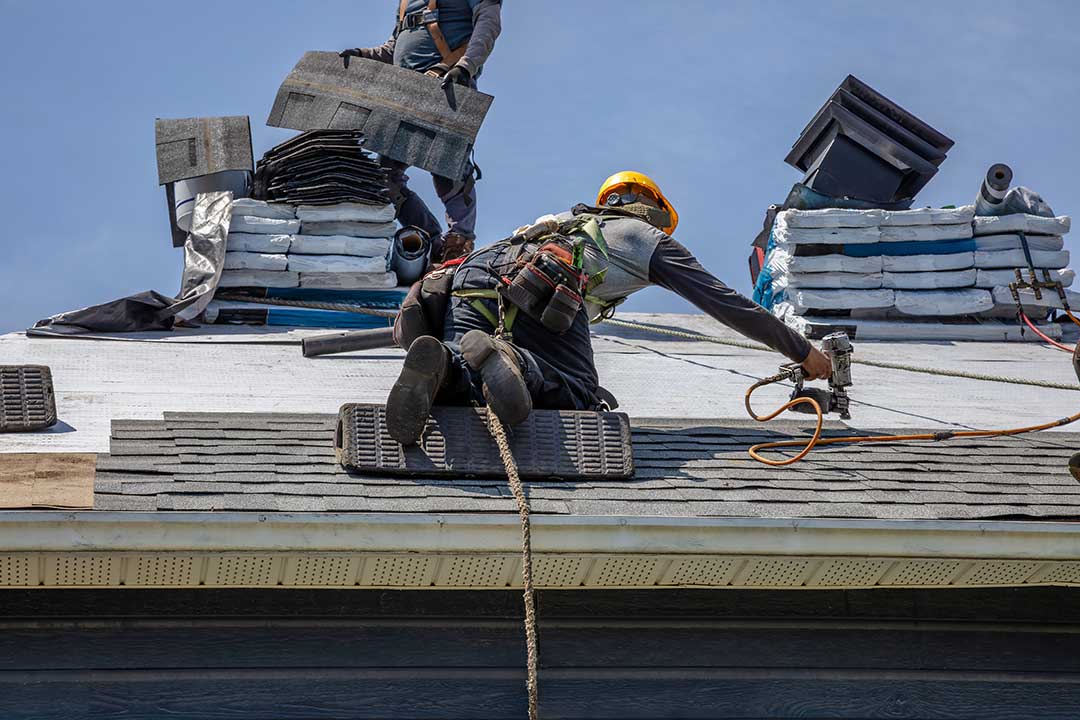
If problems only appear after winter storms or heavy rain, valleys are a common suspect. In New Hartford homes, upper-floor rooms or attics close to valleys should be checked seasonally for hidden moisture issues.
Are Certain Roof Types More Prone to Valley Failure?
Certain designs make valleys more vulnerable, especially given local weather variations.
Roofs with:
- Multiple intersecting slopes (complex shapes)
- Large valley areas that collect more runoff
- Low-pitch sections adjoining steeper areas
Homes built before the 1990s or those with lower-cost materials are more likely to have older valley treatments that deteriorate faster. Newer homes with ice and water shield membranes beneath valleys fare better in harsh winters, but no system is immune if aging or damaged.
What Maintenance Helps Prevent Valley Failures?
Simple, proactive habits make a difference:
- Clear leaves, twigs, pine needles, and other debris from valleys each fall and spring
- After storms or periods of melting snow, check that water moves freely down valleys
- Monitor for early surface changes—like staining or shingle shifts—especially after ice damming
- For those comfortable with ladders, use binoculars or a camera zoom to examine valleys from the ground. Avoid walking directly on valleys, as they are more fragile than regular roof sections.
Homeowners in New Hartford with lots of overhanging trees should be extra vigilant, as valleys accumulate organic debris that locks in moisture and accelerates decay.
Are There Risks in DIY Valley Repairs?
Many basic checks and surface cleanings are safe for informed homeowners, but repairs involving removal of shingles, valley metal, or underlayment expose the roof to further harm if done incorrectly. Slip hazards from algae, moss, or icy valleys are also real concerns.
If water is entering the home, or if valley repairs require lifting shingles or working on steep slopes, repairs are best handled by those trained in roofing safety. Addressing attic mold or severe leaks may involve more than just surface fixes.
