

Why Matching Shingles Matters for New Hartford, NY Homes
Matching replacement shingles is much more than an aesthetic concern in New Hartford, NY; it also protects the long-term value and weather resistance of local roofs. Even minor mismatches can show clearly on homes during harsh winters or bright spring sunlight, and the climate here makes quality repairs especially noticeable.
Proper shingle matching helps prevent leaks and visible patchwork, supporting both curb appeal and the integrity of your roofing system. In a community where snow loads, ice dams, and wind-driven rain are regular concerns, consistency in roof materials pays off in long-term protection.
What Should Be Considered Before Sourcing Replacement Shingles?
Start by identifying the type, style, and age of your existing shingles. For many homes in New Hartford, asphalt shingles are the most common, but these come in a variety of textures and colors that change over time.
Key factors to examine:
- Manufacturer and Model: If possible, check leftover packaging or building records for details.
- Color and Finish: Shingles fade due to sun, rain, and snow, so even identical new shingles may look different unless weathered to match.
- Dimension and Shape: Variations in size and cut can be obvious from the street, especially on visible slopes.
Homeowners often overlook the impact of weathering and manufacturing batch differences. Even “gray” or “brown” shingles can differ widely between years and suppliers.
How Can You Identify Your Current Shingles?
Accurate identification is the foundation for finding a suitable match. Begin by examining a spare shingle or an inconspicuous portion of your roof.
Steps to help with identification:
- Look for branding or codes on the back of a spare shingle.
- Compare granule texture, thickness, and tab shape.
- Use a color sample in natural daylight, as attic lighting or indoor bulbs can distort color perception.
If you need to remove a shingle to compare, take precautions on steep or icy roofs, especially in winter. Residents in colder seasons may find shingle materials stiff or brittle—plan for a dry, mild day if possible.
Where Do You Find the Closest Match?
The pursuit of a good match is often the most challenging step, particularly if your roof is more than a few years old or if the original shingles are no longer produced.
Here’s what to try:
- Visit local home improvement retailers and examine their shingle displays in outdoor lighting when possible.
- Ask about manufacturer’s sample boards or booklets so you can hold candidate shingles up against your existing roof.
- Consider sourcing leftover shingles from the original installation if you have any stored, as these are the most likely to match in color and texture.
For older roofs, batch or dye lot changes mean you may need to compare several near-matches, as the original color may no longer be manufactured or may have faded considerably due to the weather patterns in the area.
How Does Weathering Affect Shingle Matching in New Hartford?
New Hartford homes experience significant freeze-thaw cycles, UV exposure, and precipitation, all of which accelerate shingle fading and weathering. This means that even if you find the same color and product, new shingles may appear brighter or darker for several seasons.
Common issues caused by weathering:
- New shingles may “stand out” for up to a year or more before blending in.
- Patching in a sunny spot versus a shaded spot can yield different color results, even with the same shingle.
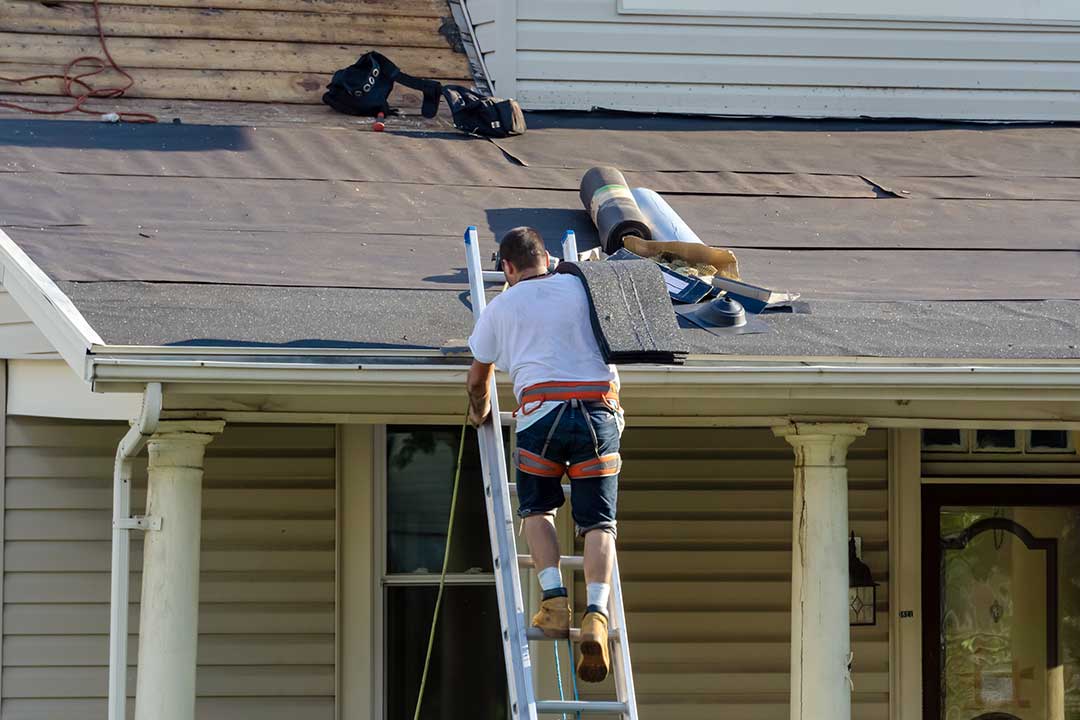
Area households often notice that shingle color shifts faster on south- and west-facing roof slopes. Some residents choose to install new shingles in less noticeable areas (like behind a chimney) where a perfect match isn’t critical.
Tips for Achieving the Best Visual Match
Improving the visual blend involves more than just finding the right color code. Subtle strategies can make patch repairs less obvious.
Helpful approaches:
- “Feather in” new shingles by mixing replacement pieces across a broader repair area rather than confining them to a sharp patch.
- Consider moving some original, less-faded shingles from inconspicuous parts of the roof into the repair area, placing new shingles where visibility is less of a concern.
- Choose a slightly darker variant if a perfect shade is unavailable; new shingles typically lighten with time in New Hartford’s climate.
Always check not just under direct sunlight but also under overcast conditions—common for local weather—to ensure replacements are acceptable in various lighting.
Are There Local Rules or Neighborhood Considerations?
Most parts of New Hartford have general guidelines ensuring roofs remain in good repair, though strict style rules are rare outside historic districts or managed communities. That said, mismatched patchwork can sometimes trigger attention from neighborhood associations or reduce home value in closely-set residential zones.
Residents should check if their home is subject to additional covenants, particularly if they live in neighborhoods with visible rooflines or shared amenities. While most area homes only require consistent, weather-tight repairs, it’s wise to ensure your shingle choices align with any local standards for color or material.
What Are Common Mistakes to Avoid?
Some pitfalls can easily be avoided with a bit of local knowledge:
- Relying solely on manufacturer color names; these change over time and may not match faded originals.
- Installing new shingles during freezing temperatures, when materials can crack or fail to seal properly.
- Overlooking the importance of safe ladder use, especially during icy or wet seasons common in the region.
- Assuming “close enough” color matches will look the same after rain or snow—always test in different conditions.
Making thoughtful, informed choices about shingle replacements helps area households avoid costly mistakes and keeps roofs resilient against New Hartford’s variable weather.
