
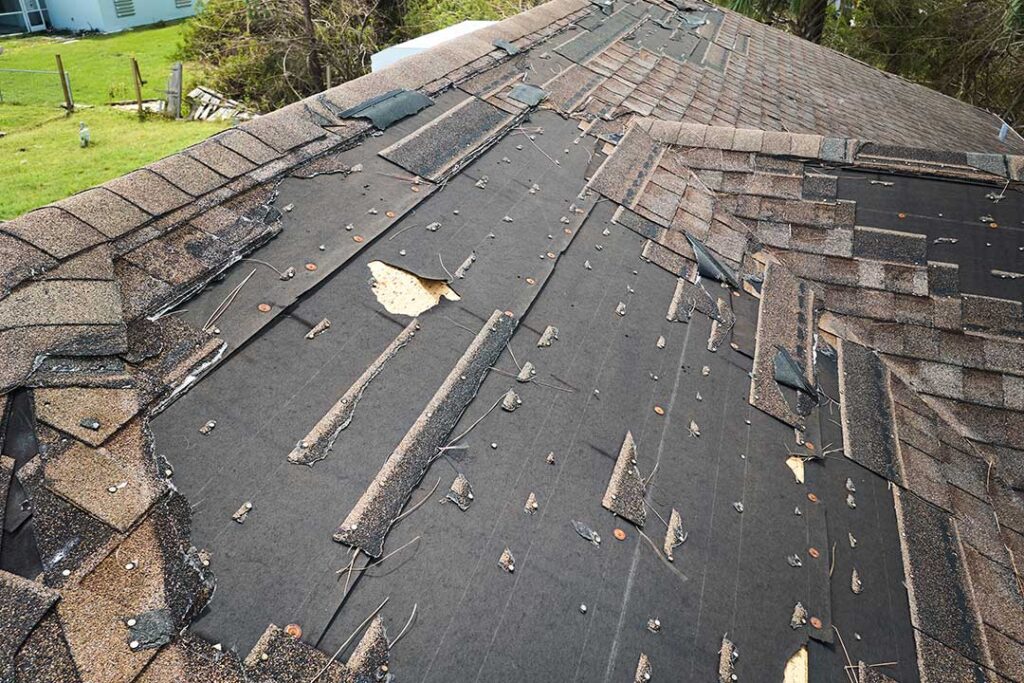
Why Does Roof Installation Quality Matter for New Hartford, NY Homes?
Proper roof installation is essential for protecting homes in New Hartford, NY from harsh winters, heavy snowfall, and sudden spring thaws. When roof materials are not installed correctly, residents may notice issues that threaten both comfort and property value. The city’s seasonal freeze-thaw cycles and variable weather patterns make early detection of installation mistakes especially important for preventing water infiltration and structural deterioration.
What Are the Most Noticeable Exterior Warning Signs?
Areas households sometimes spot visible red flags even from ground level. Here’s how to tell if a new or recently replaced roof may have been installed poorly:
- Shingles are misaligned, uneven, or appear wavy: Properly installed shingles should create straight, clean lines running horizontally across the roof. If some rows seem crooked, staggered incorrectly, or look lumpy, this suggests rushed or inexperienced workmanship.
- Exposed nails or fasteners: Roofing nails should be placed in specified locations and covered by shingle layers above. If shiny nail heads are visible, especially along seams or near roof edges, this increases the risk of leaks, particularly after winter storms.
- Inconsistent shingle overhangs: The amount shingles extend beyond a roof’s edge—typically an inch or less—protects fascia boards and directs runoff. Overhanging shingles by too much or too little invites wind-driven rain and ice dam formation, both common in local winters.
- Improperly installed or missing flashing: Metal flashing is vital around chimneys, skylights, valleys, and vent stacks. Loose, bent, rusting, or absent flashing often stands out and can result in leaks during spring thaws or sustained rains.
- Sagging areas on the roofline: A newly installed roof should appear flat across its surface. Any localized sags or dips suggest structural problems under the new roofing material, possibly due to skipped repairs or poor preparation prior to installation.
How Can You Spot Troubles Elsewhere—From the Attic or Indoors?
Not every installation error is obvious from outside. In New Hartford, where attics are common, interior symptoms may appear long before you notice a leak directly overhead.
- Signs of moisture or staining in attics: Fresh water stains, drips, or wet insulation after rain or snow melt signal possible gaps or incorrect underlayment placement.
- Light coming through the roof deck: During daylight, visible sunlight in the attic (excluding deliberate vents or skylights) often pinpoints areas where shingles or underlayment do not fully cover the roof deck.
- Unusual drafts or temperature spikes: Noticeable changes in attic temperature, especially during cold snaps, may result from insufficient ventilation or missed insulation details around roofing penetrations.
Which Problems Are Overlooked But Can Lead to Big Headaches Locally?
Some installation mistakes might seem minor but can create larger issues given New Hartford’s climate and housing stock.
- Underlayment installation errors: Underlayment is a water-resistant barrier beneath shingles. Skipping underlayment, using the wrong material, or laying it unevenly leaves the roof vulnerable to water intrusion and ice damming.
- Improper roof ventilation: The city’s humid summers and frigid winters require balanced roof ventilation to prevent condensation and mold. Blocked or missing vents, or placing exhaust and intake vents on the same plane, can allow moisture buildup in attics, warping roof decks and promoting mold growth.
- Failure to install or replace ice and water shields: Local building codes often require this protective layer at the roof’s edge, especially along eaves and valleys exposed to ice dam risks. Skipping these shields, or using cheap alternatives, leaves homes open to winter water infiltration.
Are Certain Issues More Likely to Affect Older Properties or Local Roof Styles?

Older homes in the area may feature complex rooflines, original framing, or materials that require special installation care. Steeply pitched or intersecting gables, common on historic homes, demand detailed flashing and weatherproofing. Rushed or inexperienced installers might overlook these needs, increasing the risk of long-term water damage around roof valleys, dormers, or outdated chimney bases.
Can Weather-Related Factors Make Some Mistakes Worse in This Region?
Cold snaps, heavy snow, and rapid spring melting in New Hartford can all magnify even small installation errors:
- Poor ice dam prevention or weak valley flashing can result in recurring leaks as snow melts and refreezes at the edges.
- Inadequate fastening increases the likelihood of shingle loss during wind-driven rain or gusty storms.
- Flawed roof ventilation may become obvious after a winter when attic moisture turns to mold, staining ceilings or plaster walls.
What Are Common Misconceptions About Poor Roof Installation?
It’s not uncommon for local residents to assume:
- If there are no leaks, installation was done correctly. Some leaks take months or years to emerge, especially with gradual weathering or hidden underlayment issues.
- All “roof waves” are just old wood movement. While older homes may have uneven roof decks, immediately visible waves on a new roof usually mean shortcuts during installation.
- Missing shingles always signal storm damage rather than faulty installation. Improper fastening or nailed-over old shingles can lead to early shingle loss, even without severe weather.
What Should Area Homeowners Do If They Suspect Installation Problems?
For safety reasons, accessing steep or snowy roofs is not recommended. Instead, watch for suspicious symptoms indoors and outdoors, take clear photographs, and compare your roof with similar homes nearby. Detailed documentation supports effective communication with roofing professionals and helps with warranty or code compliance discussions if problems develop.
