
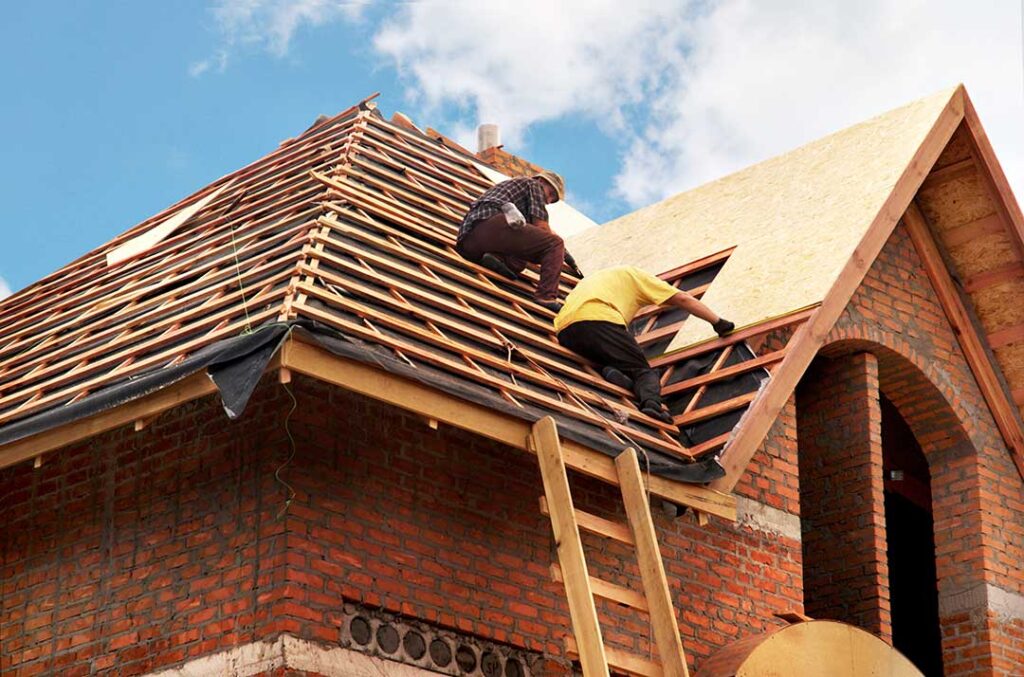
What Are Roof Coatings, and Why Do Homeowners in New Hartford, NY Consider Them?
Roof coatings are liquid-applied materials designed to add a protective layer to an existing roof. In New Hartford, NY, where freezing winters, spring thaws, and significant summer sun all take turns on rooftops, residents consider coatings as a way to extend roof life, improve energy efficiency, and reduce maintenance.
In practice, roof coatings can be elastomeric (flexible), asphalt-based, acrylic, silicone, or polyurethane. Each serves the same goal: to shield underlying roofing materials from weather and sunlight, while sometimes reflecting solar heat.
What Are the Main Advantages of Roof Coatings?
The primary benefits for area households relate to roof longevity, energy savings, and protection from the elements.
- Life Extension: A professionally applied coating can help slow aging on older roofs by sealing minor cracks and blocking UV degradation. Some local homeowners use coatings to safely postpone full roof replacement for several years, particularly after past weather-related repairs.
- Leak Prevention: By creating a seamless barrier, coatings may prevent small leaks—especially helpful on flat or gently sloped roofs that are common on some older homes and school buildings in the city.
- Energy Efficiency: White or reflective coatings can reduce attic temperatures during the warmer months. This may lower cooling costs and lessen heat buildup, which matters for homes with limited shade or older, less insulated attics.
- Ease of Installation: Coatings typically cause less household disruption than a full roof replacement, avoiding noise, debris, and the need for large disposal containers.
What Limitations or Drawbacks Should Local Residents Expect?
Roof coatings are not a cure-all and involve trade-offs. For New Hartford property owners, some common questions and concerns include:
- Not a Substitute for Major Repairs: Coatings cannot fix underlying structural damage, rotting decking, or serious leaks. If a roof is badly deteriorated or sagging from winter ice dams, a coating will only mask—not solve—the problem.
- Lifespan Is Limited: While coatings may add anywhere from 5 to 10 years of protection, they do not match the durability of replacing major components. In the Northeast, freeze-thaw cycles can shorten the useful life of some products.
- Surface Preparation Demands: The roof surface must be cleaned and sometimes primed before applying a coating. Skipping preparation can cause peeling, poor adhesion, or early failure—especially if there is moss or embedded debris from autumn leaf fall.
- Slipperiness and Maintenance: Some coatings, especially silicone types, can become slick when wet. This can make future roof work more hazardous and may catch do-it-yourselfers off guard during spring cleaning or gutter work.
- Potential Voiding of Warranties: Adding an aftermarket coating may affect existing roofing warranties. It's essential to check documentation before applying any product.
- Cost-Benefit Considerations: While coatings are less expensive than a full roof replacement, the cost can add up over repeated applications. Weighing the short-term savings against long-term roof needs is important for older or historic homes.
Are Certain Roofs in New Hartford More Suited for Coatings?
Some roof types receive more benefit than others from coatings. The suitability largely depends on slope, material, and exposure to local weather.
Flat or low-slope roofs—often found on additions, garages, or mid-century homes in the community—are prime candidates. These surfaces are prone to pooling water, early wear, and UV-driven brittleness. Coatings can help control leaks and slow down damage in these cases.
Steeply pitched shingle roofs typical of many neighborhoods may see less long-range value from coatings, as water runoff prevents the pooling that coatings best address. Metal, modified bitumen, and certain single-ply membrane roofs also commonly accept coatings when prepared correctly.
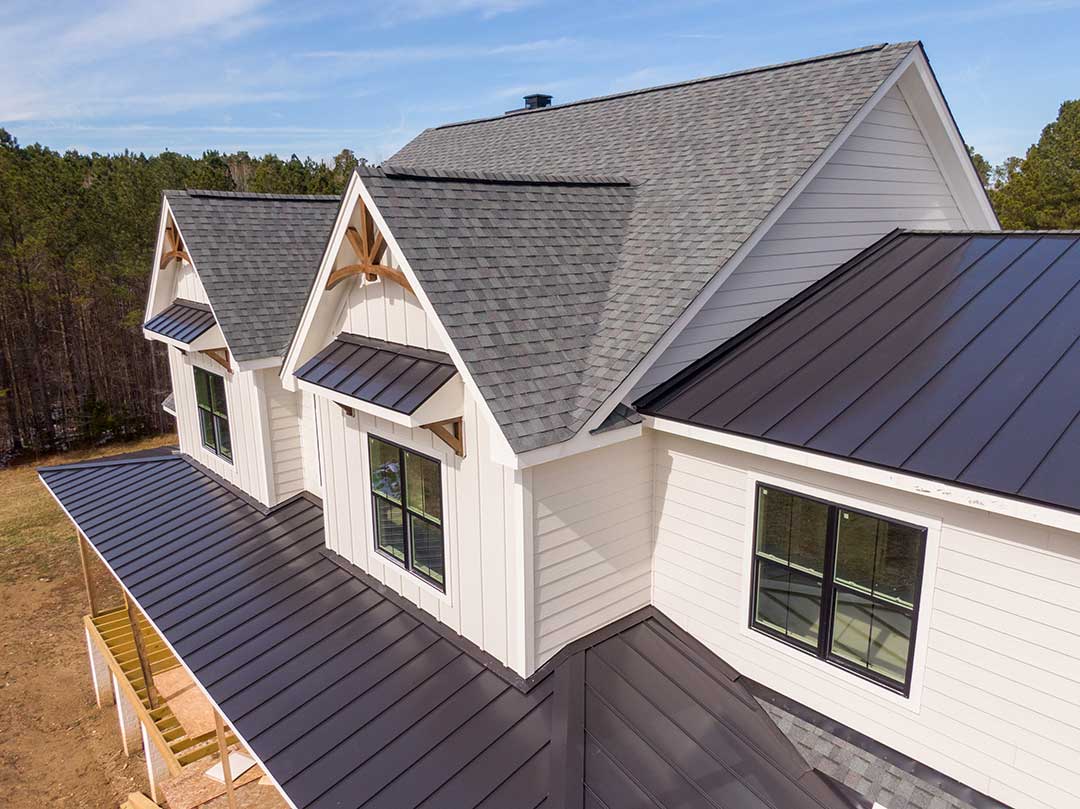
It's also important to remember that materials like wood shake, slate, or certain tile roofs are generally not compatible with coatings.
What Are Common Misconceptions About Roof Coatings?
A frequent misunderstanding is that any coating will "fix" all roof problems. In reality, these products sealand protect, but cannot restore lost structure, insulation value, or address issues like sagging valley lines or missing shingles.
Some residents also expect dramatic savings in cooling costs. While reflective coatings can help in summer, the benefits are more noticeable in commercial properties or flat-roofed sections with strong sun exposure. Traditional steep residential roofs with good insulation see modest improvement.
Additionally, not all coatings are the same. Performance varies widely based on chemistry, weather conditions during application, and whether the underlying roof surface is dry and sound.
How Does Local Weather Impact Roof Coating Performance?
New Hartford’s climate—with winter snow accumulation, freeze/thaw cycles, and warm, humid summers—poses unique challenges for roof coatings.
- Application Timing: Coatings should be applied in dry, warm weather. Spring through early fall is the standard window, as coatings need time and warmth to cure fully. Applying just before a cold snap or during leaf fall can affect results.
- Moisture Concerns: Persistent humidity or roofs that do not fully dry after rain can cause bubbling or poor adhesion. If a roof is under tree cover, debris must be completely cleared.
- Snow and Ice Impact: Heavy snow loads and ice dams can cause coated surfaces to crack prematurely, especially if the underlying structure is already compromised. Yearly inspections after harsh winters are wise to spot early signs of wear.
What Should Local Residents Consider Before Choosing a Roof Coating?
Before deciding on a coating, assess the current condition of your roof, the cost and frequency of recurring repairs, and the likelihood of needing a full replacement in the near term. For homes with minor issues and sound structure, coatings can offer cost-effective extra years. If the roof is nearing the end of its service life or has recently experienced significant leaks, a more permanent solution may be warranted.
Those managing flat or low-slope roofs in areas exposed to sun or ponding water will typically see the greatest benefit. The product selection, proper preparation, and mindful timing all play important roles in how well a coating will perform in the community’s varied climate.
