
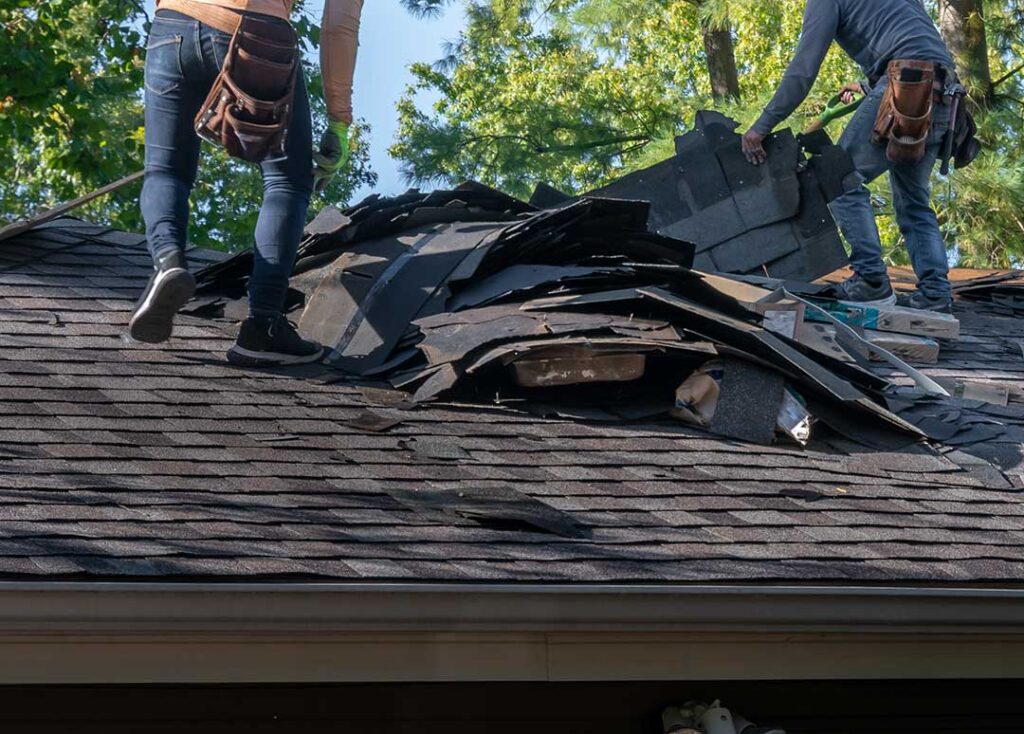
What Is a Cool Roof and How Does It Work?
A cool roof is designed to reflect more sunlight and absorb less heat than a standard roof. This is typically achieved by using special reflective materials or coatings. In New Hartford, NY, where hot, humid summers and fluctuating spring and fall temperatures challenge home comfort and energy use, cool roofs can make a noticeable difference for local households.
Cool roofs work by increasing the "albedo," or reflectivity, of roofing surfaces. Traditional dark asphalt shingles can reach scorching temperatures in the summer sun, while a cool roof remains significantly cooler—sometimes by 50°F (10°C) or more.
Why Do Residents in New Hartford Consider Cool Roofs?
New Hartford residents may wonder if cool roofs are worthwhile, given the region’s mixed climate. While cool roofs are most commonly discussed in hotter southern climates, there are practical benefits for the local area as well.
Residents benefit from:
- Lower attic and interior temperatures during summer heat waves, potentially reducing the burden on air conditioning.
- Energy savings that add up, especially during hot weeks in July and August.
- Reduced heat buildup, which can help prevent premature roof aging and extreme attic temps that stress insulation.
Although winters in New Hartford are cold and snowy, the summer heat—particularly during stretches of high humidity—can drive up cooling costs and discomfort, especially in homes with sun-exposed or poorly insulated roofs.
How Can Cool Roofs Lower Energy Costs?
Cool roofs can lead to lower utility bills, especially during the city’s summer months. By keeping roof surfaces and attic spaces cooler, less heat penetrates living areas, allowing air conditioning systems to work less.
For a typical single-family home in the area:
- Utility savings are most noticeable in July and August.
- Even homes without air conditioning may stay more comfortable, as upper floors and attics don’t heat up as dramatically.
- If combined with modern attic insulation and ventilation improvements, the effect can be even greater.
It’s a common misconception that cool roofs are only beneficial in hot, arid places. In reality, any area with significant summer sun—including the varied, sometimes humid climate in New Hartford—can see a positive impact on both comfort and cooling costs.
Do Cool Roofs Make Sense in Snowy Climates Like New Hartford?
Many homeowners worry that cooler roof surfaces could allow more snow or ice accumulation during the winter. However, the primary function of a cool roof is to reduce heat absorption during sunny, warm periods. Local experience suggests:
- Cool roofs do not cause noticeable increases in winter snow load or ice buildup when attic insulation and ventilation are up to code.
- In the winter, snow’s natural reflectivity already limits heat absorption, so the effect of a cool roof is usually minimal.
- Proper installation details, such as adequate attic airflow, remain crucial for preventing winter ice dams—regardless of roof color or reflectivity.
Homeowners interested in cool roofs can ask about materials rated for durability in freeze-thaw conditions typical for the region—metal and certain modern shingles often perform well.
What Roofing Materials Can Be “Cool” in New Hartford?
Many types of roofing common in the city can achieve cool roof benefits:
- Asphalt shingles: Newer light-colored or specially coated products offer improved reflectivity and are available in styles compatible with local neighborhoods.
- Metal roofs: Often used on both homes and barns, many light and medium-colored metal roofing panels naturally reflect more sunlight.
- Synthetic or tile roofing: Some advanced materials are designed with built-in reflective properties and can be chosen in shades approved by local codes or neighborhood associations.
Residents considering reroofing or spot repairs can inquire about cool-rated versions of the same materials already on their homes—no drastic changes in appearance are needed for improved performance.
Are There Additional Benefits Beyond Energy Savings?
While lowering cooling costs is the best-known perk, cool roofs can also:
- Help local infrastructure by reducing “heat island” effects, where paved and roofed surfaces make neighborhoods hotter than surrounding rural areas.
- Prolong roof life by minimizing thermal cycling (the rapid heating and cooling that causes expansion and contraction).
- Support better indoor comfort, especially in homes with top-floor bedrooms or finished attics that tend to overheat in summer.
In some cases, reflective roofs can also lower the risk of heat stress for pets, young children, or older adults on the upper levels of a home.
Are There Any Limitations or Misconceptions?
Not all homes or roofing styles are a perfect fit for every cool roofing product.
- Historical homes or certain architectural styles may face restrictions on visible roofing materials or color choices.
- In some shaded or tree-covered areas of New Hartford, the benefits of cool roofs may be less dramatic, as direct sunlight is a key factor.
- Residents may mistakenly believe a cool roof will drastically cut heating bills in winter; in reality, reflectivity mainly helps during the summer, while well-insulated attics are still critical for winter efficiency.
A common misconception is that a cool roof will look out of place or “too bright”—many modern products come in subtle, regionally appropriate tones that still offer improved solar reflectance.
How Can Residents Decide If a Cool Roof Is Right for Their Home?
Each home’s exposure, age, insulation, and roofing type influence the potential advantages. Homes with large, sun-exposed roof areas or those that struggle with excessive summer heat upstairs are often prime candidates.
Considerations include:
- Existing attic insulation and ventilation
- Roofing material type and condition
- Desired balance of summer comfort and winter performance
- Historic district guidelines or association rules, if applicable
As cool roofing technologies and materials continue to advance, more local homes can benefit from improved comfort, efficiency, and roof longevity—without sacrificing neighborhood character or winter performance.
