
What Are the Most Useful Tools for Basic Roof Maintenance?
A handful of simple but effective tools can make a big difference in keeping a roof in good shape. For most households, a few core items are all that’s needed to clean gutters, check for loose shingles, and spot common problems—especially in a region with noticeable seasonal changes like New Hartford, NY.
Homeowners typically rely on:
- A sturdy extension ladder for access
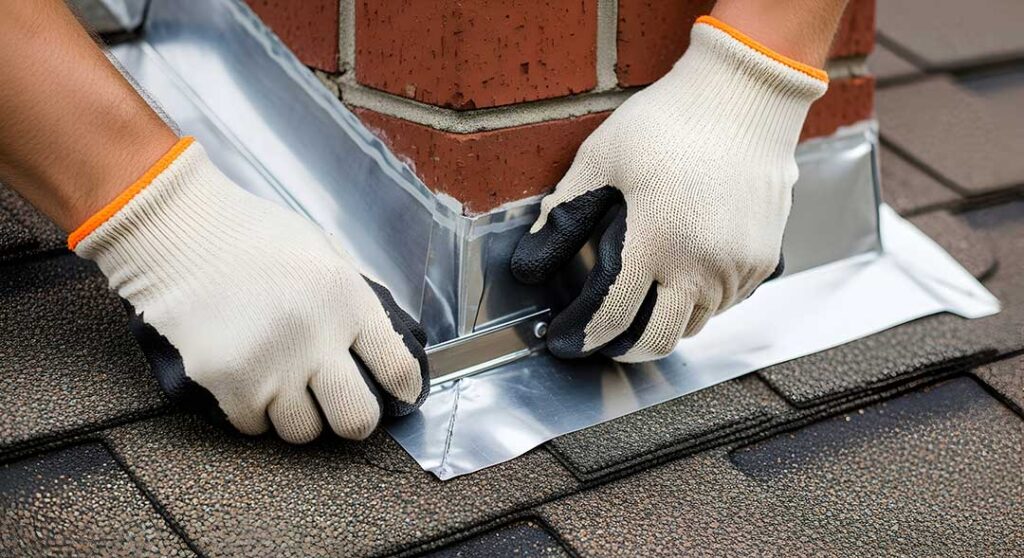
- Work gloves to protect hands from debris and sharp edges
- A leaf blower or hand brush for clearing off twigs, leaves, and moss
- A utility knife for trimming damaged shingles or flashing
- A roofing hammer or pry bar to gently lift shingles or reset nails
Each tool addresses specific seasonal challenges common in this area. For example, after a long winter, granule buildup in gutters or shingle tabs popping loose during spring thaw are frequent finds.
Is Specialized Protective Gear Needed for Roof Work?
For most routine maintenance, basic personal protective equipment goes a long way. Even for people in good physical condition, minor slips can lead to serious injuries—especially on damp or mossy shingles.
Recommended safety items include:
- Non-slip, rubber-soled footwear for stability on sloped surfaces
- Safety goggles when removing or cleaning debris above
- Durable gloves when handling roofing materials, as some can be surprisingly abrasive
Local residents often overlook the importance of stable footing, but unpredictable weather in the city can make roof surfaces unexpectedly slick, especially during early spring or after a heavy rain.
Which Tools Help Find Roof Leaks Before They Get Worse?
Early leak detection often prevents bigger repairs. In addition to visual inspection, a few inexpensive tools make this process more reliable for area households.
Commonly used items:
- A flashlight or headlamp to check attic spaces for damp spots, dark stains, or mold during overcast days
- Binoculars for scanning hard-to-reach edges, valleys, or flashing from the ground
- Chalk or a grease pencil for marking suspected problem areas on shingles or flashing, especially if repairs must be scheduled later
While leak tracing can occasionally require more technical equipment, these simple tools are often sufficient to catch issues quickly in the city’s mostly single-family homes with accessible attics and eaves.
How Should Residents Prepare for Gutter Maintenance?
Gutters are a frequent maintenance concern in the city due to fall leaf drop and blowing spring debris. Homeowners can usually manage routine gutter care without specialized training.
Essential gutter tools:
- A stable ladder, set level on solid ground—preferably with a ladder standoff for extra roof clearance
- A plastic scoop or small trowel to remove leaves, mud, and pine needles
- A garden hose with a spray nozzle for flushing out corners and downspouts
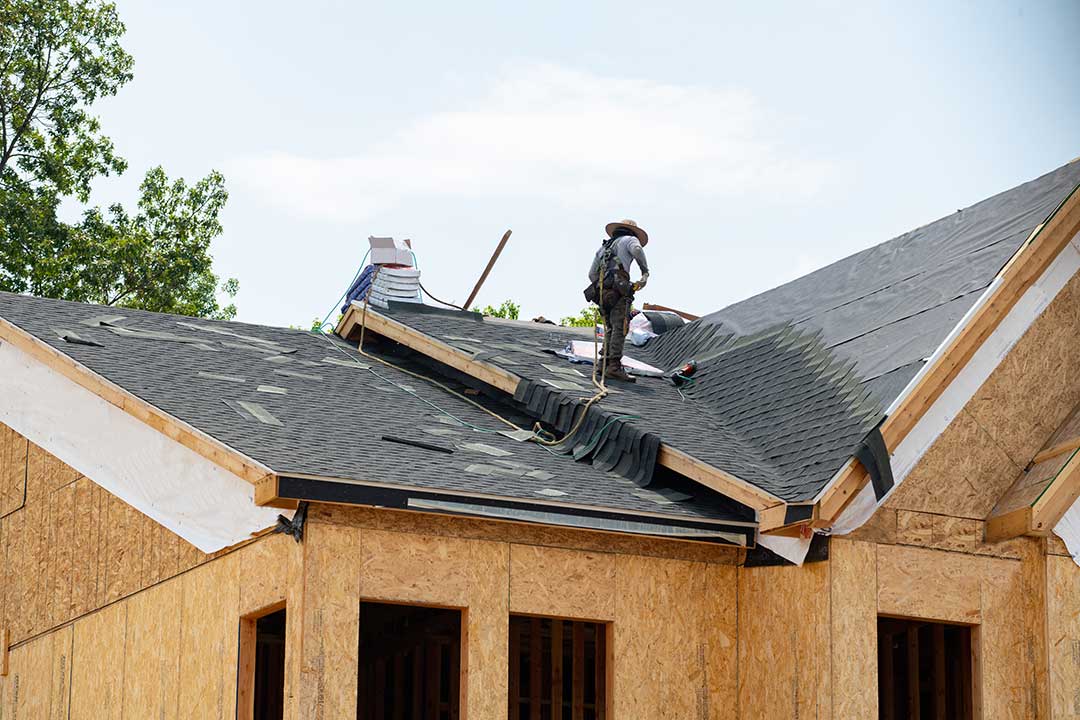
Residents sometimes assume power-washing is needed, but direct, low-pressure rinsing is generally best to avoid loosening shingle granules or damaging gutter seams.
Are There Tools for DIY Repairs of Missing Shingles or Flashing?
Minor repairs are often within the reach of experienced homeowners, given the right tools. However, any work near steep slopes or where the roof surface seems unstable should be approached with extreme caution.
Handy items include:
- Roofing cement and a caulking gun for resealing loose flashing
- Replacement shingles, cut to size with a utility knife
- A hammer with roofing nails to refasten lifted shingle corners
These repairs help control small issues, especially after severe wind events or heavy snow common in the area. However, persistent water intrusion or extensive damage should prompt further inspection.
What Should Be Avoided When Using These Tools?
Some mistakes are easy to make, especially for those newer to roof care.
Missteps to avoid:
- Using metal shovels or sharp implements on shingles, which can cause unnecessary damage
- Walking on roofs with steep pitches or during icy conditions, which increases injury risk
- Pulling at damaged or curled shingles instead of gently loosening nails or adhesive
It’s a common misconception that all roof maintenance requires heavy-duty power equipment. In fact, most routine tasks rely on patience, careful movement, and basic hand tools.
How Does the Local Climate Influence Tool Choice or Maintenance Timing?
Weather in New Hartford means that roof maintenance tools are put to the test through all four seasons. Keeping a roof free from heavy snow, wet leaves, and windblown debris is part of regular home care.
During winter, snow rakes—long-handled telescoping tools—can help clear heavy loads off low-pitch sections. Come spring, soft-bristle brushes are preferable to prevent scraping away protective shingle granules. Tool maintenance itself matters too: gloves and hand tools should be dried and stored securely to prevent rusting in humid summer weather.
By knowing how and when to use each tool, local residents can help prolong roof life while avoiding unnecessary wear and tear, providing year-round protection for their homes.
