
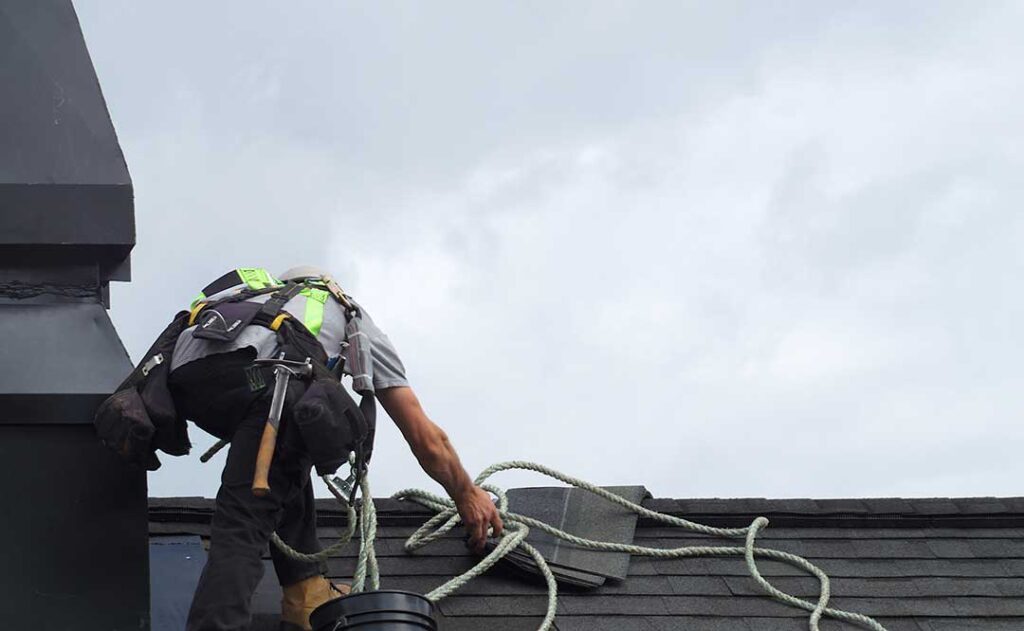
What Should New Hartford, NY Residents Know Before Attempting Roof Work?
Roof projects pose risks that many homeowners underestimate, especially given local weather and building types. Understanding what makes roof work safe or unsafe helps area households avoid injury and costly mistakes. While some minor tasks may be manageable for those comfortable with basic home repairs, others always warrant caution due to potential hazards.
What Roof Tasks Are Generally Safe for Skilled Homeowners?
Basic maintenance and repairs close to the ground—such as cleaning gutters, checking for obvious shingle issues, or replacing a few missing fasteners—are typically the least risky. These tasks do not usually require walking far onto a pitched surface or handling heavy materials overhead.
Area residents sometimes handle these projects themselves, especially if:
- The roof is low-slope or flat and easily accessed via a stable ladder
- The surface is dry, clean, and free from moss or ice
- Only manual tools and light materials are needed
- Weather conditions are mild and wind is low
For single-story homes common in certain neighborhoods, cleaning leaves from gutters or resecuring a loose piece of flashing can often be done safely, provided basic ladder safety and personal protection are used.
Which Jobs Are Too Hazardous Without Professional Skills?
Any work involving steep slopes, second-story roofs, or extensive repairs poses much higher risks. In New Hartford, roofs often become slippery from autumn leaves, winter ice, or morning dew. Attempting repairs in these conditions—even for small issues—substantially increases the chance of a fall or serious injury.
Situations where DIY is unsafe usually include:
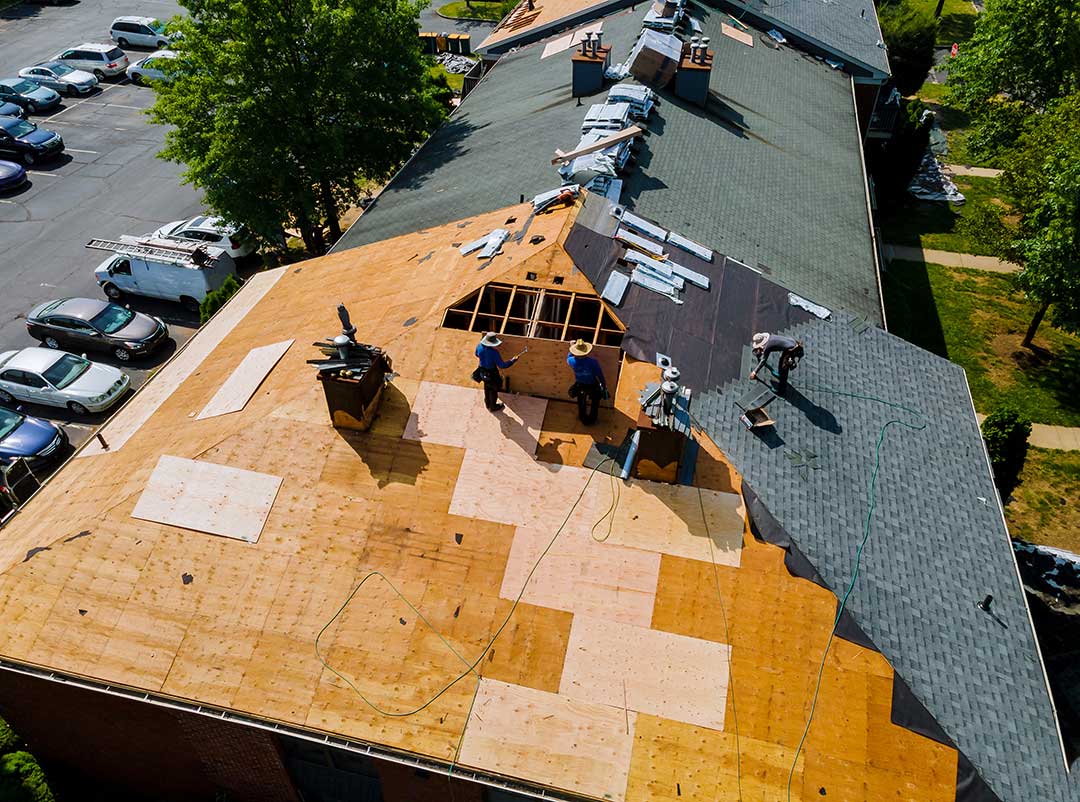
- Replacing or installing new roofing materials across large areas
- Repairing storm or tree damage beyond cosmetic fixes
- Addressing leaks requiring removal of multiple layers or decking
- Working during icy, humid, or windy conditions
- Projects involving chimneys, skylights, or complex roof intersections
It’s easy to underestimate how quickly weather and changing local temperatures can create dangerous surfaces above ground level.
How Can You Tell If Your Roof Is Safe to Access?
Before climbing up, local residents should assess:
- The roof’s pitch—Steep, high-pitch surfaces are inherently riskier
- Material condition—Loose, brittle, or mossy shingles offer little traction
- Stability and anchoring—Are ladders secure? Is fall protection available?
- Obstructions—Nearby branches, power lines, and snow piles can complicate movement
Always check the attic or interior ceiling first for evidence of water damage or sagging, which may indicate structural problems. Should the roof feel soft or springy, it may not support extra weight safely.
What Local Factors Affect Roof Work Safety?
New Hartford’s climate brings rapid changes in moisture, temperature, and wind. Residents often see roofs covered by snow into early spring, and summer storms can leave behind slippery debris or damaged tiles. These realities mean that surfaces can go from safe to hazardous in just a few hours.
Additionally, local housing stock includes both older homes with fragile underlayment and newer construction with different kinds of venting and flashing. Knowing the age and typical construction of your home is key to identifying potential weaknesses.
What Personal Protective Steps Help Reduce Injury Risk?
Anyone considering minor roof work should:
- Use shoes with strong, non-slip soles
- Wear gloves and eye protection—even minor debris can cause injury
- Always let someone know you plan to go up on the roof
- Only carry lightweight tools and materials safely up a ladder
- Inspect ladders for stability; set them at a safe angle on firm ground
Local emergency services routinely respond to ladder falls and slip injuries that could have been prevented with these basic precautions.
Are There Legal or Insurance Issues to Consider?
New Hartford’s municipal codes generally allow homeowners to perform some roofing maintenance on their own property. However, major structural changes, full replacements, or work involving electrical equipment often require permits or inspections.
Most homeowners’ insurance policies also have language about “self-performed” repairs. Improper work may void coverage if a future claim is filed related to roof damage. It’s wise to verify any policy specifics before undertaking anything more than routine maintenance.
What Are Common DIY Mistakes to Avoid with Roof Repairs?
Some pitfalls area residents encounter during self-repair attempts:
- Underestimating the complexity of flashing, valleys, and intersecting slopes
- Damaging more shingles or underlayment than intended
- Incorrectly securing ladders, especially on uneven lawns or icy driveways
- Attempting work after rainfall or during windy afternoons
- Ignoring small leaks or nail pops that actually indicate larger problems
Local weather can reveal flaws in even minor repairs fast. Quick “patch” jobs done in bad conditions may last only days before leaks reappear.
When Should Local Residents Seek Professional Help for Roof Work?
If the project involves heights, complex repairs, suspected structural damage, or requires special tools, it’s safest to have an experienced specialist handle it. Similarly, anytime severe weather has compromised safety, the risks often outweigh the savings of a do-it-yourself approach.
Understanding your own limits—and respecting the unpredictability of local weather—goes a long way toward staying safe and ensuring your home remains secure.
