
Rain on a roof can sound peaceful to some people and surprisingly loud to others. The difference usually comes from the roofing material, the roof’s underlying layers, attic insulation, ceiling construction, and the way water reaches gutters or lower roof sections.
For households in New Hartford, NY, reducing rain noise often involves managing sound inside the attic and living spaces rather than focusing only on the roof surface. Cold winters, freeze-thaw cycles, heavy spring rainfall, and occasional summer storms can all expose weaknesses in roof drainage or interior sound control.
Why does rain sound loud inside a house?
Rain noise becomes noticeable when falling water creates vibrations that travel through the roof assembly. Those vibrations can move through roof sheathing, rafters, attic air, insulation, and the ceiling below.
The amount of noise depends on several factors:
- Roofing material: Thin metal panels can produce sharper impact sounds, while asphalt shingles usually diffuse some of the noise.
- Roof pitch: Steeper slopes may cause water to move more quickly toward eaves and gutters.
- Roof sheathing: Thin or flexible sheathing can vibrate more than heavier, well-supported panels.
- Attic insulation: An attic with little insulation has more open air space for sound to travel through.
- Ceiling construction: Drywall, plaster, and suspended ceilings each transmit sound differently.
- Rain intensity: Light rain may be barely noticeable, while downpours, sleet, and wind-driven rain can create substantial impact noise.
Noise can also seem louder in bedrooms, upper-floor rooms, and areas directly beneath large roof sections.
Can attic insulation reduce the sound of rain?
Yes. Adding or improving attic insulation is often one of the most effective ways to reduce roof noise in finished rooms. Insulation absorbs and dampens some of the vibration and sound passing through the ceiling plane.
Fiberglass and cellulose insulation can both contribute to sound reduction when installed correctly. The goal is not simply to fill the attic with material. Insulation should be evenly distributed, free of large gaps, and installed without blocking required ventilation paths.
In a typical attic, insulation should not cover soffit vents or interfere with airflow beneath the roof deck. Blocking those pathways can contribute to moisture buildup, mold growth, and premature roof deterioration. Baffles may be used to preserve air movement from the eaves toward the ridge or other planned exhaust points.
Insulation is most useful when the ceiling below the attic is reasonably airtight. Small openings around light fixtures, wiring, plumbing penetrations, and attic access panels can allow sound and conditioned air to pass through. Sealing appropriate gaps can improve both noise control and energy performance.
What can be done about a noisy attic access panel?
An attic hatch or pull-down stair is often much thinner than the surrounding ceiling. Because of that, it may transmit more sound during heavy rain.
A better-performing access panel may include:
- A rigid panel with greater thickness
- Weatherstripping around the frame
- Insulation attached securely to the upper side
- Latches or fasteners that hold the panel tightly closed
- A sealed trim connection between the frame and ceiling
The panel should remain accessible and should not be overloaded with heavy materials. Any added insulation must also be kept clear of heat-producing fixtures and electrical equipment that require open air space.
If the attic access is located above a bedroom or other quiet room, improving that single opening may make the rain seem noticeably less intrusive.
How do gutters and downspouts affect roof noise?
Gutters and downspouts can create a different type of rain noise. Water that strikes a loose gutter, a poorly supported downspout, or a lower roof edge may produce tapping, rattling, or rushing sounds.
Listen for these patterns:
- A metallic rattle may indicate a loose gutter or fastener.
- A repeated tapping near the eaves may come from water hitting the gutter wall.
- A hollow booming sound may be caused by a downspout vibrating against the siding.
- A sudden waterfall-like sound may indicate concentrated discharge from an upper roof section.
Keeping gutters properly secured and aligned can reduce vibration. Downspouts should be fastened firmly without being clamped so tightly that normal expansion becomes impossible. Water should also be directed away from the foundation through suitable extensions or drainage arrangements.
Leaves, pine needles, ice, and roof debris can change the way water enters the gutter. In a region with snowy winters, ice buildup may also push water over the front edge of the gutter, creating louder and less controlled flow.
Do metal roofs always produce more rain noise?
No. Metal roofing can sound louder when installed over an open attic or over a lightly supported roof deck, but the material alone does not determine the final sound level.
A metal roof installed over solid sheathing, underlayment, insulation, and a finished ceiling may be quieter than expected. In some assemblies, the interior layers absorb much of the impact sound before it reaches the living space.
Metal roofing can still produce noticeable expansion and contraction sounds as temperatures change. Those sounds are different from rain noise and may be related to fasteners, panel movement, or the roof’s installation details.
Replacing a roof solely because rain sounds loud is rarely the first step to consider. Improving insulation, sealing air leaks, securing drainage components, and identifying loose materials may address the problem more directly.
Can ceiling improvements help reduce rain noise?
If the attic and roof structure are in sound condition, changes to the ceiling can provide another layer of noise control. A heavier ceiling assembly generally blocks sound better than a lightweight one.
Possible improvements include:
- Adding another layer of properly installed ceiling board
- Using sound-damping compounds between ceiling layers
- Installing resilient channels where appropriate
- Sealing gaps around trim, fixtures, and penetrations
- Adding insulation between ceiling framing members
These changes are more practical during a remodeling project than as a quick repair. Electrical boxes, recessed lights, attic ventilation, and fire-safety requirements must be considered before modifying a ceiling.
In older homes, plaster ceilings may already provide useful mass, but cracks, loose sections, or unsealed openings can still transmit sound. Any ceiling material showing water stains, sagging, or active damage requires attention for moisture reasons before sound improvements are attempted.
What if the noise is new or suddenly worse?
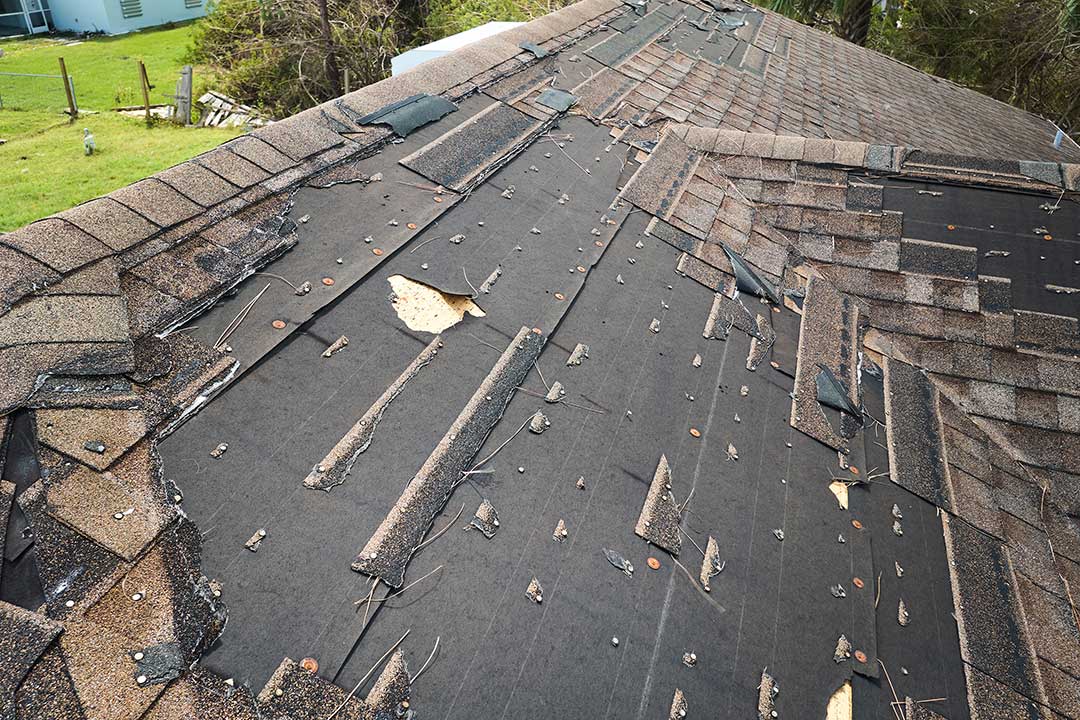
A sudden change in roof noise deserves inspection rather than simple soundproofing. New noise may be connected to a loose shingle, exposed underlayment, damaged flashing, a shifted gutter, or water entering where it should not.
Warning signs include:
- Water stains on ceilings or upper walls
- Damp attic insulation
- Dripping or wet roof framing
- A musty odor
- Sagging ceiling materials
- Daylight visible through the roof deck
- Unusual rattling during wind or rain
- Ice buildup followed by interior moisture
Rain itself is not usually harmful to a properly functioning roof, but leaks can worsen quickly during repeated storms. In the local climate, freeze-thaw conditions may enlarge small openings or move water into unexpected areas.
Avoid walking on a wet, steep, icy, or damaged roof. Roof inspections can involve fall hazards, unstable surfaces, and electrical risks, especially during storms. Safety becomes the priority when structural damage, active leakage, or difficult access is involved.
What is the most practical order of improvements?
Start by identifying whether the sound comes from the roof surface, the attic, the ceiling, or the drainage system. A useful sequence is:
1. Listen during rain and identify the room or roof section where the noise is strongest.
2. Check the attic from a safe location for moisture, daylight, loose materials, or compressed insulation.
3. Inspect visible gutters and downspouts for rattling, overflow, or unstable connections.
4. Seal appropriate ceiling penetrations and improve the attic hatch fit.
5. Review insulation coverage and attic ventilation.
6. Consider ceiling upgrades only if the roof and attic are dry and structurally sound.
This approach avoids spending money on sound-control materials while overlooking a leak or drainage problem. In many homes, quieter indoor conditions come from several modest improvements working together rather than from a single specialized product.
