

What Are the Main Stages of a Typical Roofing Project?
A roofing project in New Hartford, NY follows a step-by-step sequence, each phase designed to ensure safety, functionality, and protection against local weather. Roofing work usually includes assessment, preparation, removal, installation, and thorough cleanup.
Assessment starts with examining the overall condition of your home's roof. This includes looking for missing shingles, leaks, and signs of aging like moss growth or sagging areas—common issues after harsh Central New York winters and seasonal shifts. Attention is given to attic ventilation and insulation, which can affect both roof durability and energy efficiency in the region's cold and warm seasons.
Preparation involves obtaining any necessary municipal permits and preparing the property. Local homes often need precautions to protect landscaping, siding, and driveways, given the mature trees and close-set neighborhoods common in the community.
Demolition is the removal of the existing roofing layers, typically down to the wooden deck. While residents sometimes picture only removing old shingles, local codes often require stripping all layers to expose any hidden damage—important in areas with frequent ice dams and freeze-thaw cycles.
Installation includes laying down underlayment, flashing, and then the final roofing material. Choices here can affect the roof's performance in New Hartford’s climate, where both snow load and summer heat impact roof lifespan.
Cleanup and inspection are final steps, ensuring leftover nails, debris, and unused materials are removed, driveways are cleared, and gutters are not blocked. A project wraps only after a meticulous, often multi-point inspection ensures the new roof is watertight and up to code.
How Long Does Roof Replacement Take for Local Homes?
Replacing a standard asphalt shingle roof on a single-family home in the city usually takes one to three days, weather permitting. For larger homes or those with steep pitches, additional time may be needed. Typical delays include unexpected rain or discovering hidden damage, like rotted decking, during removal.
Winter conditions can slow the process, as cold temperatures affect how shingles adhere and may require waiting for milder weather. Homeowners in the area often plan work during late spring, summer, or early fall for a smoother timeline.
What Decisions Do Homeowners Need to Make During Roofing Work?
Several choices must be made, some influenced by local weather, neighborhood style, or regulations:
- Material selection: Asphalt shingles are common in New Hartford for affordability and balanced durability. Metal and composite alternatives offer longer lifespans but have higher upfront costs.
- Color and style: Options should complement your home’s exterior, but lighter colors can reduce summer heat absorption, while darker shades may hide winter debris.
- Underlayment and ventilation: Proper underlayment and well-designed ridge vents help prevent issues like ice dams, a frequent concern after the area’s heavy snowfalls.
- Flashing and guttering: Discuss if aging metalwork should be replaced, particularly around chimneys and valleys where leaks often originate.
Thinking through these decisions ahead of time can prevent mid-project delays and improve long-term roof performance for householders.
How Does Weather Affect Roofing in This Area?
Weather plays a major role before, during, and after roof replacement in New Hartford. The city’s varied climate brings challenges throughout the year:
- Snow and ice: Roofs must be installed to withstand heavy snow loads and frequent freeze-thaw cycles. Flashing and underlayment choices are critical to reducing ice dams and leaks.
- Rain: Spring and summer storms can delay projects, while wet surfaces make installation dangerous and reduce material adhesion.
- Wind: The area is exposed to occasional high winds; choosing rated shingles and proper fastening prevents early shingle loss.
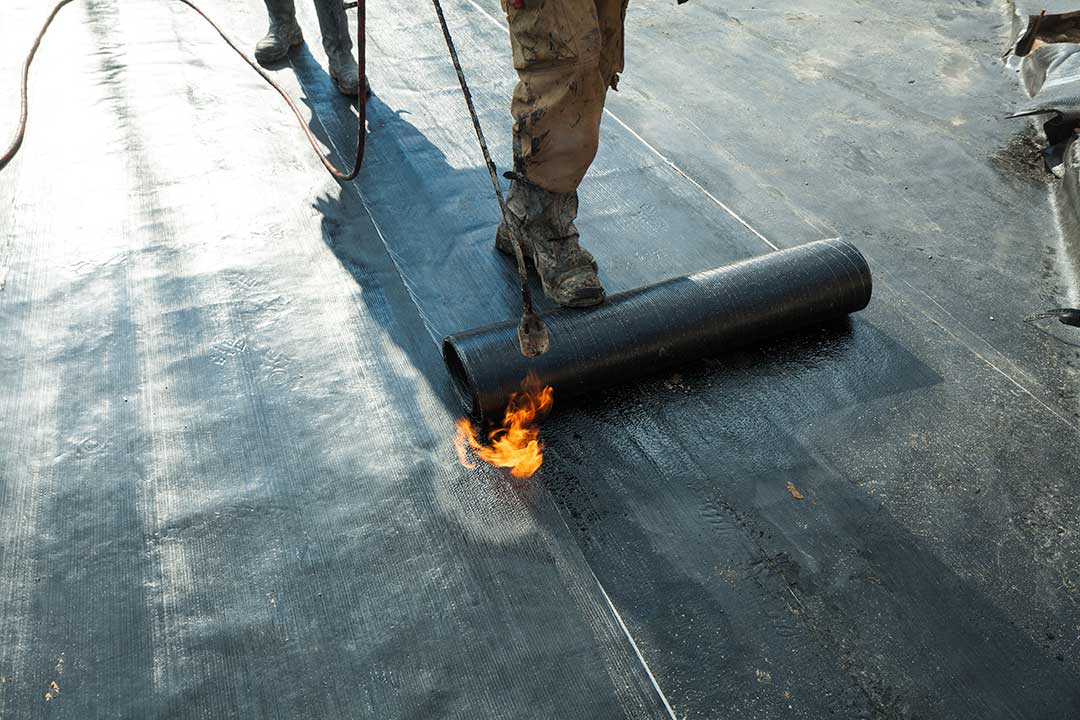
Projects are often timed between late spring and early fall to reduce weather-related risks and provide better working conditions.
What Should Residents Expect During the Roofing Process?
During a roof replacement, daily activity at home changes slightly. Residents experience increased noise, occasional vibration, and movement in yards and driveways. It’s common to keep pets indoors and park cars away from the house.
Contractors usually start early and finish in the late afternoon. Ladders, tarps, and debris containers may temporarily block paths. If issues like rotted decking or faulty ventilation are discovered, work may pause while options are discussed. Most reputable crews prioritize site safety and respect for gardens and property boundaries, as is expected in neighborhoods with mature landscaping and established homes.
Are There Common Misconceptions About Roofing Projects?
Some area residents believe roof replacement is always noisy, lengthy, or damaging to yards. In most local projects, careful protection of lawns, garden beds, and driveways is standard. Modern techniques and equipment have reduced project duration and disruption.
Another misconception is that all roofs with a leak need full replacement. Some problems, such as cracked flashing or a few missing shingles after a windstorm, can be repaired if the overall roof is healthy and the work complies with local codes.
What Can Homeowners Do to Prepare for a Roofing Project?
Simple steps help a project go smoothly and minimize disruptions:
- Clear patio furniture, potted plants, and vehicles from work areas
- Remove fragile items from walls and shelves, as vibration may jostle them
- Notify neighbors about the timeline, especially if homes are close together
- Secure pets and young children indoors to prevent accidents
With these measures, most households in the city find the process straightforward and manageable, with crews often completing work quickly and thoroughly.
