

Why Prepare Your Roof Before a Vacation?
Preparing your roof before traveling protects your home from weather events, unexpected leaks, and other costly surprises while you're away. Even a short trip can leave your house at risk if a minor roof issue grows into a major problem during your absence.
In New Hartford, NY, residents face frequent summer rainstorms, seasonal gusty winds, as well as occasional hail or heavy snow depending on their travel dates. A well-prepared roof can make the difference between returning to a dry interior and facing unexpected water damage.
What Are the Most Common Roof Problems to Check Before a Trip?
It’s wise to inspect for damage that could worsen if left unattended, such as missing shingles, loose flashing, clogged gutters, and pooling water.
Some frequent concerns include:
- Cracked, curled, or absent shingles (common after windy or stormy weather)
- Blocked gutters and downspouts, which can cause water backup and roof edge leakage
- Debris built up in roof valleys or behind chimneys, increasing the risk of moisture retention
- Exposed nail heads or deteriorating sealant around roof penetrations like vents and skylights
Addressing these areas before leaving helps prevent sudden leaks or escalation of existing minor damage.
How Can You Safeguard Against Water Leaks?
Checking the roof’s water-shedding features is crucial, particularly in regions like New Hartford where storms are common.
Start by:
- Ensuring all gutters and downspouts are thoroughly cleaned out and securely attached
- Clearing debris from roof valleys, especially after spring pollen drop or autumn leaf fall
- Inspecting seals or boots around vent pipes and satellite mounts for cracks or deterioration
- Examining attic ceilings for any damp spots, which may hint at a slow leak
If a patch of roof or flashing looks questionable, reinforcing it with a temporary sealant—or having a trusted neighbor check on the property if heavy rain is expected—offers peace of mind while you’re away.
Should You Worry About Wildlife Intrusion?
Yes, animals occasionally enter attics or damage roofs in search of shelter, especially if your absence reduces household noise.
Typical entry points include:
- Gaps at the eaves where soffits meet shingles
- Broken attic vents or screens
- Loose flashing around chimneys or roof edges
Walk your property and look for droppings, nesting materials, or scratch marks. Securing these spots before vacation can prevent squirrels, raccoons, and even birds from moving in.
Can Small Roof Issues Become Bigger While You're Gone?
Minor problems can quickly become major incidents if a storm rolls through while the house is vacant.
For example:
- A slightly loose shingle can blow off during a thunderstorm, exposing underlayment and leading to water penetration.
- A clogged gutter can overflow and saturate the fascia board or seep into wall cavities.
- A minor attic leak can fuel mold growth, especially in warm, humid summer conditions.
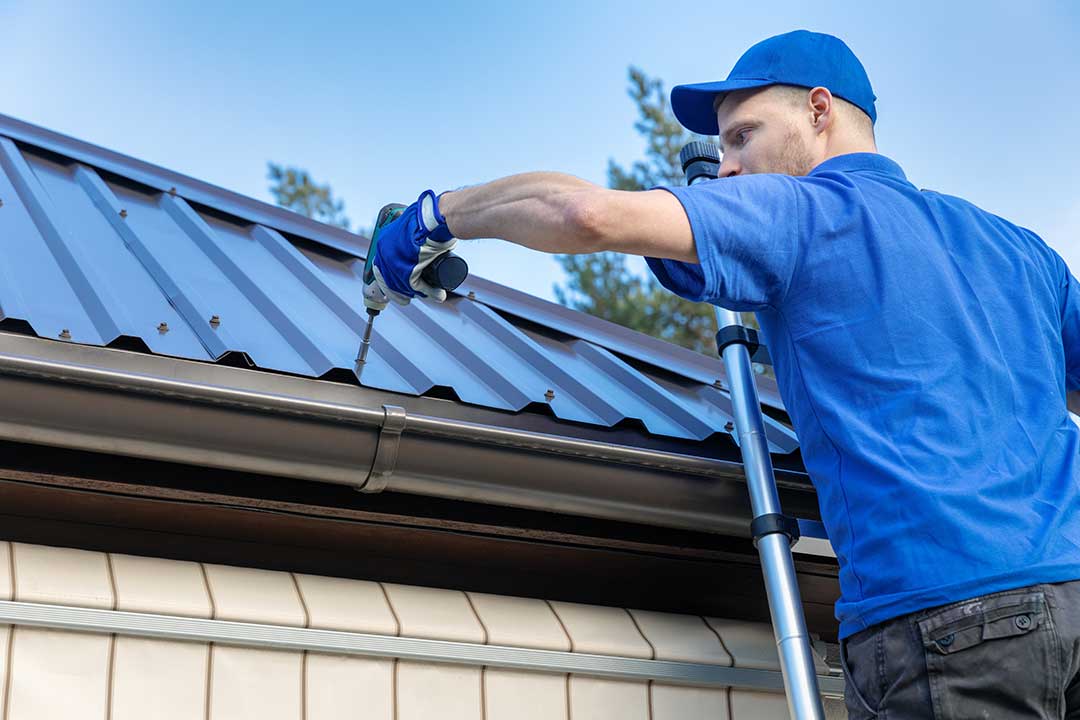
Taking time for a careful check before departure, even when issues seem trivial, is an important risk reduction step.
What About Preventing Ice Dams If Traveling During Colder Months?
If winter travel is planned, consider the potential for ice dams. In the city and surrounding area, fluctuating temperatures and heavy snow are routine mid-winter, and poorly insulated attics can cause melt-and-freeze cycles.
To plan ahead:
- Remove snow from the roof immediately before departing, when possible and safe
- Double-check attic insulation to minimize heat loss and uneven melting
- Make sure soffit and ridge vents are unobstructed to promote consistent airflow
If an extended trip is expected, ask a neighbor or house sitter to look in after each major snowstorm.
Are There Any Local Factors That Influence Roof Care?
Yes, homes in New Hartford are often surrounded by tall trees, which can deposit leaves, branches, and seeds onto roofs, especially after wind events. Also, local building codes may impact the types of repairs homeowners are allowed to attempt themselves, particularly with multi-family homes or properties governed by homeowners associations.
Checking with local authorities or reviewing community guidelines before making substantial roof changes helps stay compliant, particularly for properties with shared roofing systems.
What Commonly Overlooked Preparations Should Residents Consider?
Some useful but often skipped tasks include:
- Photographing the roof condition (with a phone or camera) as a reference, in case new damage appears later
- Double-checking that roof access points (like attic hatches or maintenance ladders) are locked or secured to deter unauthorized entry
- Verifying sump pumps and basement water alarms are working, as these can alert neighbors or monitors to any interior water problems caused by roof leaks
While many tasks are simple, safety should always come first—avoiding walking on steep or slippery roof surfaces, especially if inexperienced or conditions are wet.
