

What Is a Roof Cricket?
A roof cricket is a small, ridge-like structure built on a roof to divert water around obstacles such as chimneys or where roof slopes meet. Its purpose is to prevent water from pooling behind these barriers, which can otherwise lead to leaks or water damage in the home. While often overlooked, this simple feature can have a significant impact on how well a roof handles rain, melting snow, and ice, especially during the long freeze-and-thaw cycles experienced by residents in New Hartford, NY.
Why Are Roof Crickets Installed?
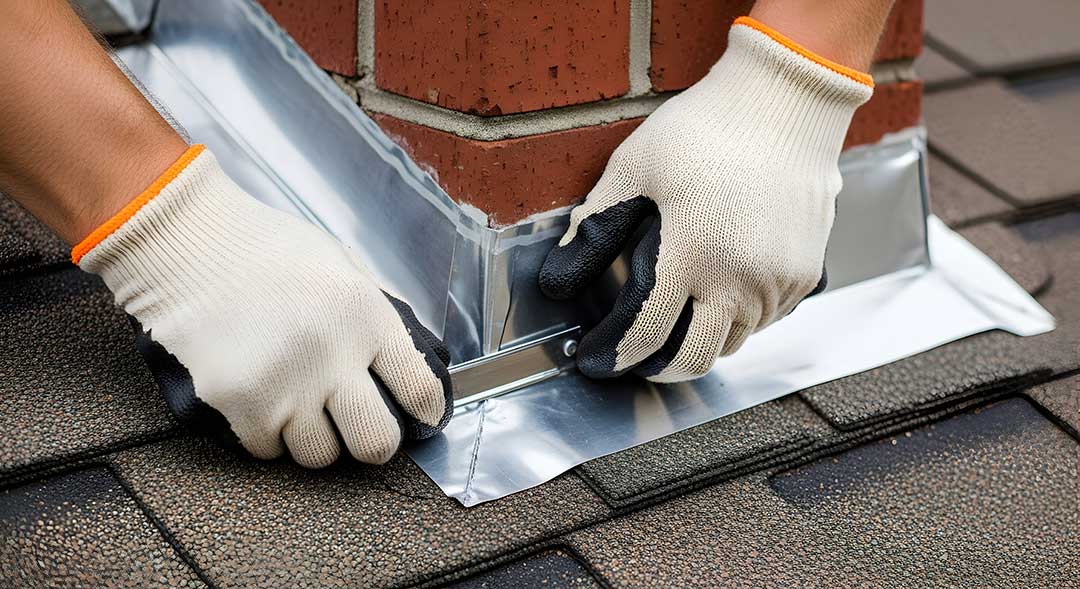
Roof crickets are installed wherever water might be blocked by roof features and forced to pool, such as behind a wide chimney. Without this type of built-in diversion, standing water on the roof can seep into shingles, flashing, or even the interior of the home. By lifting and splitting the flow of water, a cricket helps drain moisture more effectively toward gutters and away from vulnerable areas.
In homes throughout this region, where snow and ice frequently accumulate during winter, crickets reduce the risk of ice dams. This is especially critical for buildings with older masonry chimneys, additions, or sections with intersecting roofs.
Are Roof Crickets Required on Every Roof?
Not every roof needs a cricket. They are mainly required or recommended where large or wide penetrations disrupt the flow of water. For example:
- A single, small vent or skylight typically doesn’t need a cricket.
- Any chimney wider than 30 inches (measured on the upslope side) is a common trigger for building codes or best practices to call for a cricket.
- Complex valleys, dormer intersections, or the back side of high parapet walls may also benefit.
Local building codes and common construction standards in the community generally follow these guidelines, but variations can exist depending on a home’s age or design.
How Does a Roof Cricket Protect a Home from Damage?
A cricket’s angled surface splits and redirects water, keeping it moving rather than letting it sit. In practical terms, this prevents problems often seen in the community:
- Local roofs can be subject to long winter ice and snow buildup. Without a cricket, meltwater can sit behind a chimney, refreeze at night, and expand existing cracks.
- In heavy rain, water that ponds behind a wide obstruction will gradually force its way underneath flashing, shingles, or roofing layers.
- Over months or years, even a very slow leak can cause rot in rafters or ceilings, leave unsightly stains, or invite mold.
By ensuring water readily flows downslope, crickets extend roof lifespan and safeguard the investment area households make in their home exteriors.
What Materials Are Used for Crickets in This Area?
Roof crickets are generally built with the same material as the main roof for consistency and durability:
- Asphalt shingles, the most common material in the city, are frequently used on crickets for seamless visual appeal and waterproofing.
- Metal crickets can be installed for additional water-shedding in critical areas, especially on low-slope roofs or behind wide masonry chimneys.
- On slate, tile, or specialty roofs, crickets are custom-built and finished with matching materials to blend in while providing full protection.
The structure beneath the roof covering is usually made from plywood or oriented strand board, shaped for proper slope, and covered by roofing membrane and flashing.
Can a Homeowner Spot a Problem with a Cricket?
A homeowner can look for several signs that may indicate a problem or absence of a cricket:
- Water stains or damp spots on ceilings or walls near a chimney or roof junction, especially after a storm.
- Visible debris piles, algae, or excessive shingle granules collecting behind a penetration.
- Ice dams forming behind a chimney or roof joint during winter.
These signs suggest water is not draining as intended and may require an evaluation to verify the presence, design, or condition of a cricket.
Common Myths and Misunderstandings
- Crickets are not a sign of past problems—when present, they are a forward-thinking measure to prevent trouble, not just fix it.
- Some believe crickets only matter in regions with heavy rainfall, but freeze-thaw cycles make them just as important in climates like New Hartford’s.
- Many homeowners assume their roof already has every recommended feature after installation; older homes in the area often lack crickets on wide chimneys, reflecting past building standards that have since improved.
How Do New Hartford’s Climate and Housing Patterns Influence Roof Cricket Use?
Frequent snow, freeze-thaw cycles, and episodes of heavy rain make water diversion a serious concern for local homes. The prevalence of masonry chimneys and roof additions in many neighborhoods means crickets are a practical solution for both older and newer properties. In the city, homes with complex or intersecting rooflines especially benefit, as these create natural water-collecting points.
Municipal building codes and local inspectors may require crickets in certain situations, particularly for major roof replacements or new constructions, to address these climate realities.
What Maintenance Does a Roof Cricket Need?
Crickets themselves require minimal maintenance, but should be checked periodically along with the rest of the roof for:
- Debris buildup, which can block water flow
- Deterioration of shingles or flashing covering the cricket
- Signs of animal nesting or plant growth, which can interfere with drainage
Routine visual checks from the ground or from inside the attic—especially after severe weather events—help ensure the cricket continues to serve its purpose over many years.
